A Nationwide Turbulence Triggered by Tech
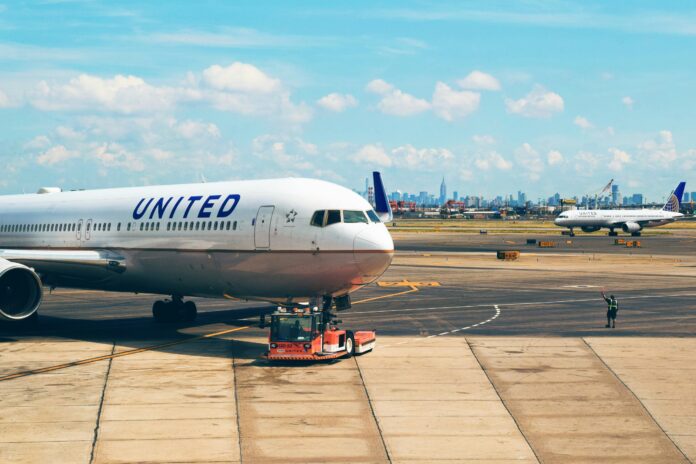
In an incident that exposed the vulnerability of aviation to technological failures, United Airlines was forced to delay more than 1,000 flights across the United States on Tuesday, August 6th, after a systemwide technological glitch temporarily grounded its fleet. The Federal Aviation Administration (FAA) confirmed the airline requested a ground stop at approximately 3:30 p.m. ET, which was lifted about an hour later. However, by that time, the damage had already rippled across the nation’s air travel grid.
According to data from FlightAware, a real-time flight tracking service, at the peak of the disruption over 1,300 flights were delayed, affecting tens of thousands of passengers nationwide.
“We experienced a technology issue that impacted our operations system. As a result, we held aircraft at their origin airports and resumed departures around an hour later,” United Airlines said in a statement, adding that the issue was not a cybersecurity threat (via AP News).
Inside the Glitch: What Went Wrong?
While United Airlines has not disclosed the full nature of the malfunction, the airline made it clear it was rooted in an internal software or systems failure. CNN reports that the “technology issue” affected United’s ability to dispatch flights, likely stemming from the systems that manage flight plans and crew assignments (CNN).
This isn’t the first time United has faced operational disruptions due to system outages. In fact, such technical issues have plagued the airline industry for years, raising questions about the robustness and modernization of legacy IT infrastructure within major carriers.
Passenger Fallout: Long Lines, Missed Connections, and Frustration
Travelers took to social media to share their experiences — from being stuck on planes at the gate for hours to missing important business meetings and personal events. Airports like Chicago O’Hare, Denver International, and Newark Liberty were particularly impacted due to their status as United hubs.
CBS News captured the chaos on the ground, showing footage of long queues and stranded passengers bewildered by the lack of information (CBS News).
Broader Implications for Airline Tech Resilience
This latest incident shines a spotlight on the airline industry’s increasing dependence on complex digital systems — and the consequences when they fail.
“The bigger issue here is not just United,” said aviation analyst Mark Weiss. “It’s a wake-up call for the entire airline ecosystem to modernize their technology infrastructure.”
In 2023 and 2024, the FAA itself suffered a crippling NOTAM (Notice to Air Missions) system failure that grounded all U.S. flights for hours. That was widely attributed to outdated government IT systems. Now, the onus is back on private carriers to ensure their technology stacks are not equally brittle.
What’s Next?
United Airlines said it is investigating the root cause of the outage and working to ensure it doesn’t happen again. However, many flights continued to face residual delays well into the evening, with passengers urged to check flight statuses before heading to the airport.
While no cybersecurity breach was involved, the incident will almost certainly renew scrutiny over digital infrastructure in the transportation sector — especially in a world increasingly reliant on automation and AI in flight operations.
As United works to regain passenger trust, the event serves as a sharp reminder that in aviation, even a glitch in the code can snowball into national-level disruption.