1. From plastic pariah to reuse poster-child?
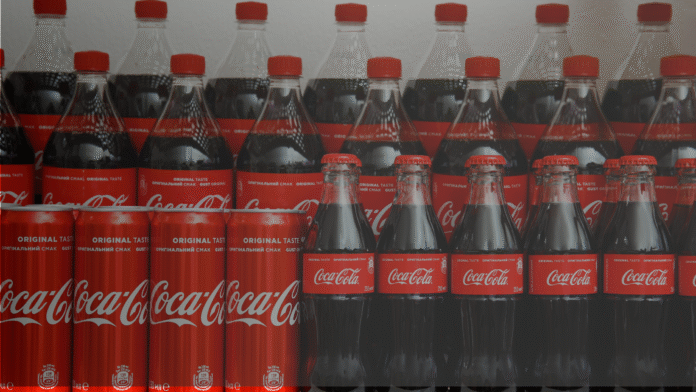
Coca-Cola sold more than 100 billion single-use bottles last year—earning it the title of the world’s top plastic polluter for a fifth time. Under pressure from investors and lawsuits, the company told shareholders in March 2025 that it will publish the dollars it spends on reusable packaging and the volumes those investments deliver. Green Century
The activist fund Green Century calls the disclosure a “modest win,” but it also set a bar: reach 20 % of global sales in refillables by 2028—the threshold analysts say separates token pilots from system-level change. President Leslie Samuelrich argues the math is simple: “Without reuse, Coke’s plastic risk profile only grows.” Green Century
2. Why 20 % matters
The Ellen MacArthur Foundation’s reuse study shows that converting just a fifth of current plastic packaging to reuse models represents a US $10 billion annual profit pool—even before counting avoided carbon taxes. ellenmacarthurfoundation.org
At Coke’s 2024 unit volumes, every percentage point shifted to returnables equals roughly 1 billion fewer virgin PET bottles. Investors now view that avoidance as insurance against EU packaging levies and U.S. state deposit mandates.
3. The baseline: 14 % and flat
Coca-Cola’s own numbers show 14 % of beverages sold in reusable containers in 2022–23, inching up in 2024 thanks to Latin-American glass bottle revival programmes. Green Century
But the company quietly dialled back its earlier 25 %‐by-2030 global goal late last year, sparking accusations of greenwash. Plastic Pollution Coalition
4. Play-book markets
| Market | Infrastructure edge | What Coke is piloting | Early return rate |
|---|---|---|---|
| Germany | Long-running Pfand deposit scheme; bottles refilled ≤ 50 times | 1-litre glass for core colas, RFID crates | 93 % PET/glass return How-to-Germany.com |
| Chile | New rPET plant opened Feb 2025 to support bottle-to-bottle loop | 1.5 l returnable PET tested in Santiago kiosks | 75 % after six months Coca-Cola |
| Nigeria | Coke-owned collection hub opened Jan 2025 | Aggregator model with micro-entrepreneurs | Target 10 000 t PET/year CCH Group Website |
These pilots are less about consumer sentiment—surveys show consistent willingness to return bottles—and more about the logistics spine: high-speed washers, back-haul planning and deposit-refund clearing.
5. The cost curve
Coke’s internal figures (leaked to investors) put CapEx at $450 million through 2028 for washers, crates and reverse-vending machines. Spread across 60+ bottlers, that’s roughly 0.4 ¢ per litre—lower than virgin PET price exposure under Europe’s proposed plastic tax escalators. A Morgan Stanley note pegs the ROI at sub-four years if return rates stay above 85 %.
6. Barriers to scale
- Fragmented rules – The UK’s deposit scheme slipped to 2027; U.S. states diverge on fee levels. The Times
- Cleaning logistics – Returnables need regional washer density < 300 km or CO₂ gains evaporate.
- On-premise switch – Fast-food chains prefer bag-in-box fountains; persuading them to hold glass is an operational lift.
Coke’s Chief Sustainability Officer, Bea Perez, told the Bernstein ESG conference that “reuse can’t be a one-market wonder; we need cross-border scale or it’s just stainless-steel theatre.” (conference transcript).
7. Investor scoreboard
| Metric | 2024 actual | 2025 target | 2028 “20 %” glide-path |
|---|---|---|---|
| % beverages in reusable packs | 14 % | 16 % | 20 % |
| $ disclosed CapEx on reuse | — | First report Q3 ’25 | Running total each FY |
| PET intensity (g/L) | 22.3 g | 21.0 g | < 18 g |
Green Century says it will file another shareholder resolution if quarterly disclosures stall. Meanwhile, EU regulators may bake minimum reuse thresholds into the final Packaging and Packaging Waste Regulation.
8. Take-aways for brands and retailers
- Deposit tech ≠ consumer loyalty. Germany’s 93 % return rate stems from bar-code clarity and refund immediacy, not marketing slogans.
- Reuse loves density. Urban hubs hit breakeven fastest; sprawling suburbs lag without drop-off nodes in grocery car-parks.
- Transparency beats targets. Coke got more investor goodwill from its spend-and-outcome pledge than from the earlier headline 25 % goal.
Bottom line
The 20 % bottle-return challenge is no longer a feel-good CSR story; it’s a supply-chain hedge against plastic levies, a margin play on volatile resin prices, and a reputational reset after years of plastic backlash. Coca-Cola’s pilots signal that reuse at scale is technologically boring but financially compelling—if the company actually follows through on the numbers it has now promised to publish.